
The Basel Convention Regional Centre for Training and Technology Transfer for the Caribbean (BCRC–Caribbean) has launched its new Digital Learning Hub, expanding access to free, self-paced environmental training across the Caribbean and beyond. The platform offers online courses on chemicals and waste management, supporting capacity-building for professionals, students, and the wider public.
read moreThe Rotterdam Convention is a multilateral environmental agreement (MEA) that promotes shared responsibility and cooperative efforts in the international trade of certain hazardous chemicals and pesticides. It does this through the Prior Informed Consent (PIC) procedure, which ensures that importing countries receive the information they need to make informed decisions before such substances enter their
read moreThe Stockholm Convention is a multilateral environmental agreement (MEA) that aims to protect human health and the environment from persistent organic pollutants (POPs). POPs are chemicals that remain in the environment for long periods, accumulate in living organisms, travel long distances and have harmful effects on human health and the environment. When the Convention was
read moreAs per Article 21 of the Minamata Convention on Mercury, Parties are obligated to report to the Conference of the Parties on measures taken for the implementation of the Convention, along with their effectiveness and any challenges they may have faced. Parties are required to report using the full format every four (4) years while
read moreIn order to monitor the implementation of the Basel Convention by its Parties, national reporting on an annual basis is required. This also allows for the identification of any issues that may need to be addressed. To learn more about national reporting, please download our factsheet.
read moreAlthough the Basel Convention was adopted in 1989, it could not fully anticipate the evolving global landscape of hazardous waste generation, trade, and technology. As waste streams have changed over the years, several amendments have been made to the Convention. These amendments have allowed Parties to adapt to new environmental priorities, keep up with scientific
read moreThe Basel Convention Regional Centre for Training and Technology Transfer for the Caribbean (BCRC-Caribbean) has developed a learning platform with self-paced online courses on the Stockholm Convention on Persistent Organic Pollutants (POPs) and their Management in the Caribbean. The courses were derived from outputs of the recently completed regional project funded by the Global Environment
read moreWaste electronic and electrical equipment, (WEEE) or e-waste, describes electrical and electronic devices that are nearing the end of their useful life, with no intention of reuse. E-waste is becoming a growing concern as it contains toxic components which, when improperly disposed of, can result in the exposure of the environment and living organisms to
read moreOn December 27th, 2023, the Trinidad and Tobago Bureau of Standards (TTBS) received an X-Ray Fluorescence (XRF) device from the Ministry of Planning and Development. This device was procured through the United Nations Industrial Development Organization (UNIDO) under the GEF 5558 project “‘Development and Implementation of a Sustainable Management Mechanism for Persistent Organic Pollutants (POPs)
read more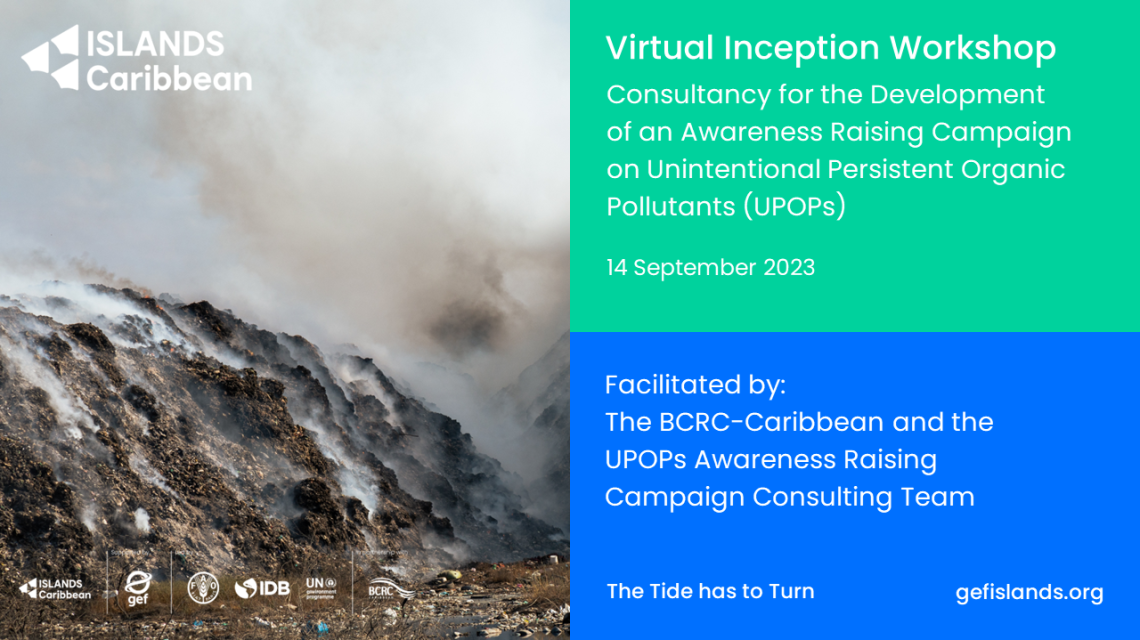
The GEF ISLANDS Programme aims to support small islands developing states (SIDS) to enter a safe chemical development pathway through strengthening their ability to control the flow of chemicals, products, and materials into their territories and to unlock resources for long term management of chemicals and wastes in SIDS. The two (2) Caribbean child projects,
read more