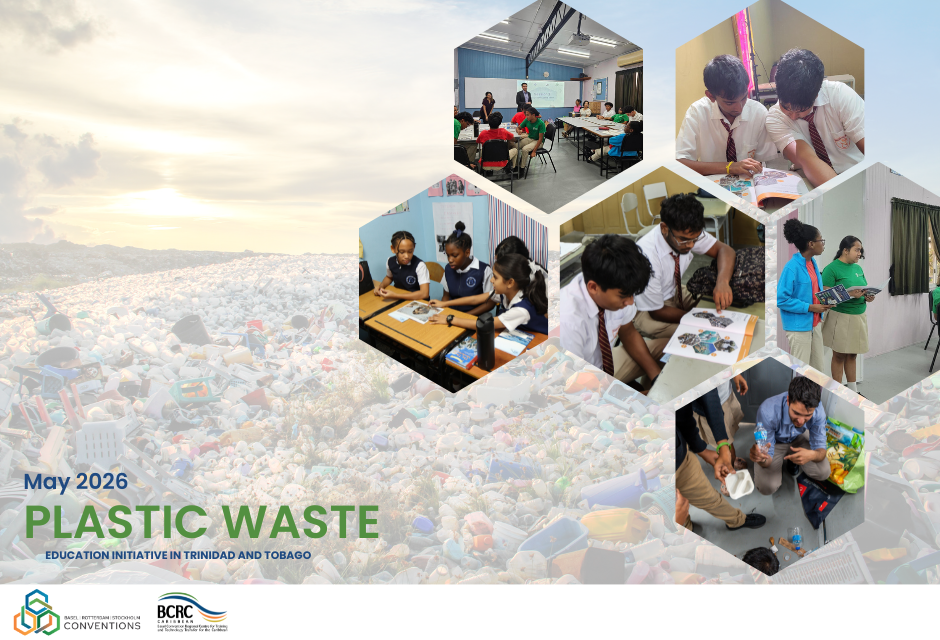
The Basel and Stockholm Conventions Regional Centre for the Caribbean (BCRC-SCRC Caribbean), in collaboration with the United Nations Environment Programme (UNEP), the Secretariat of the Basel, Rotterdam and Stockholm Conventions (BRS Secretariat), and with funding from the Norwegian Agency for Development Cooperation (Norad), has successfully completed the pilot testing of its Plastic Waste Education Initiative in Trinidad and Tobago. The initiative forms part of the BRS-Norad-2 Project, which seeks to strengthen developing countries' capacities to prevent, reduce and manage plastic waste in line with the Basel Convention and its Plastic Waste Amendments.
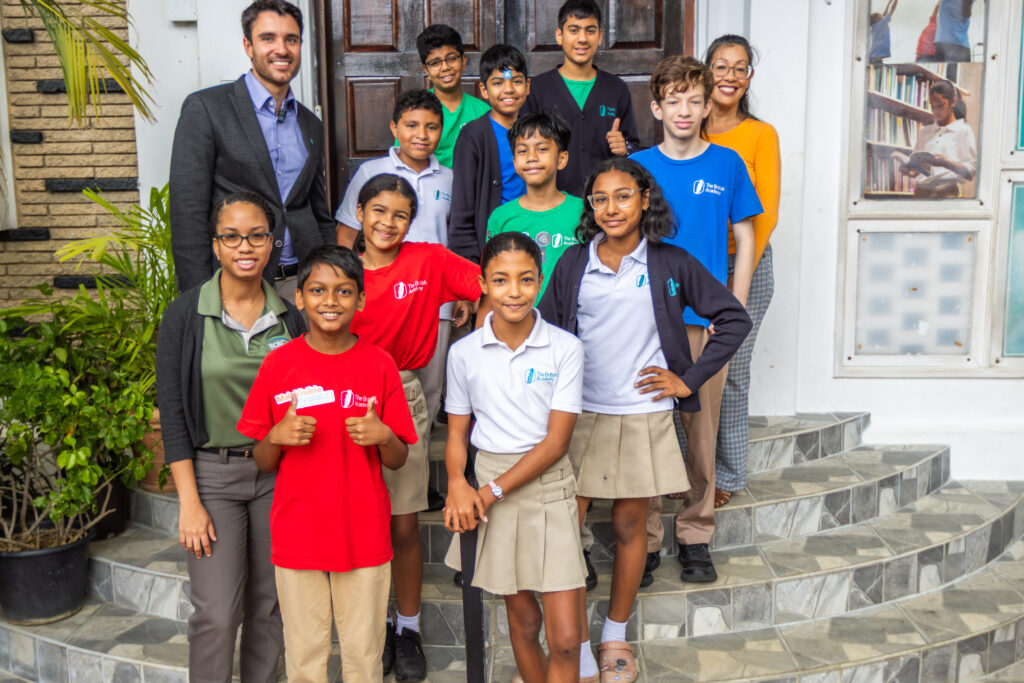
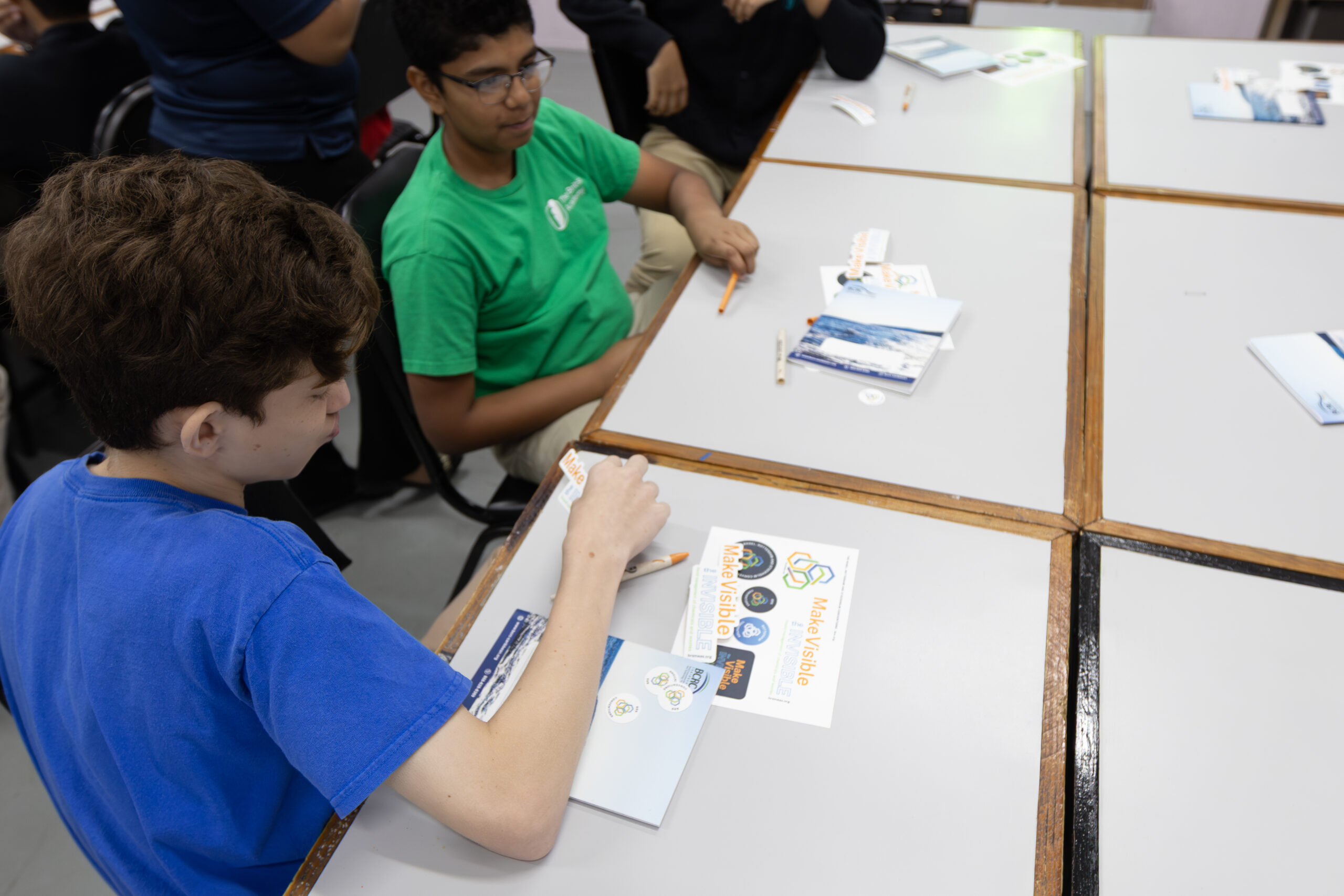
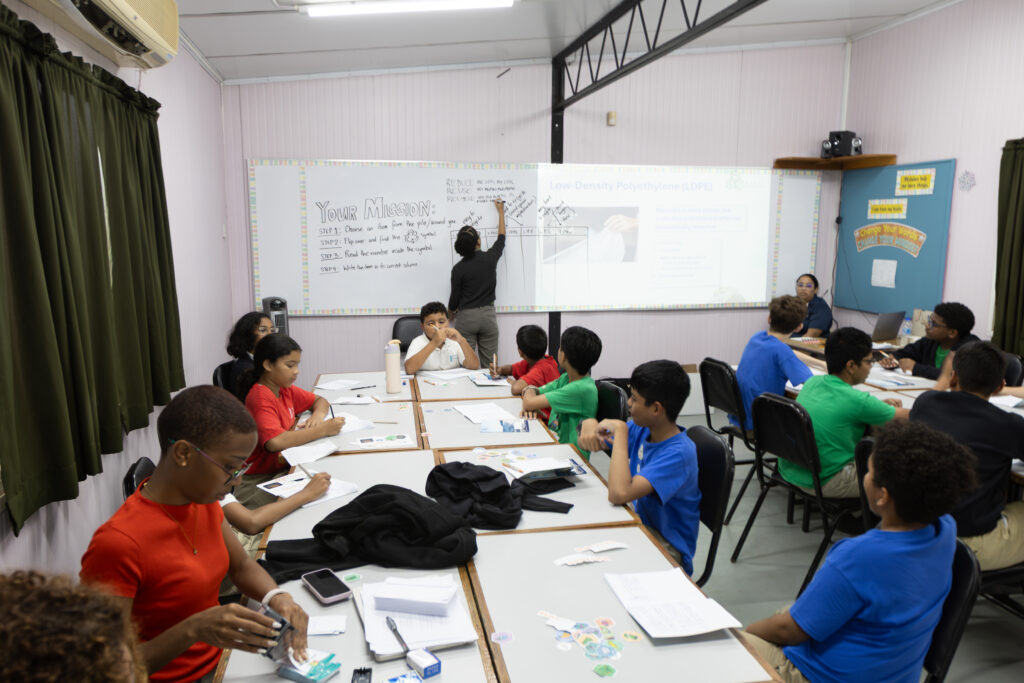
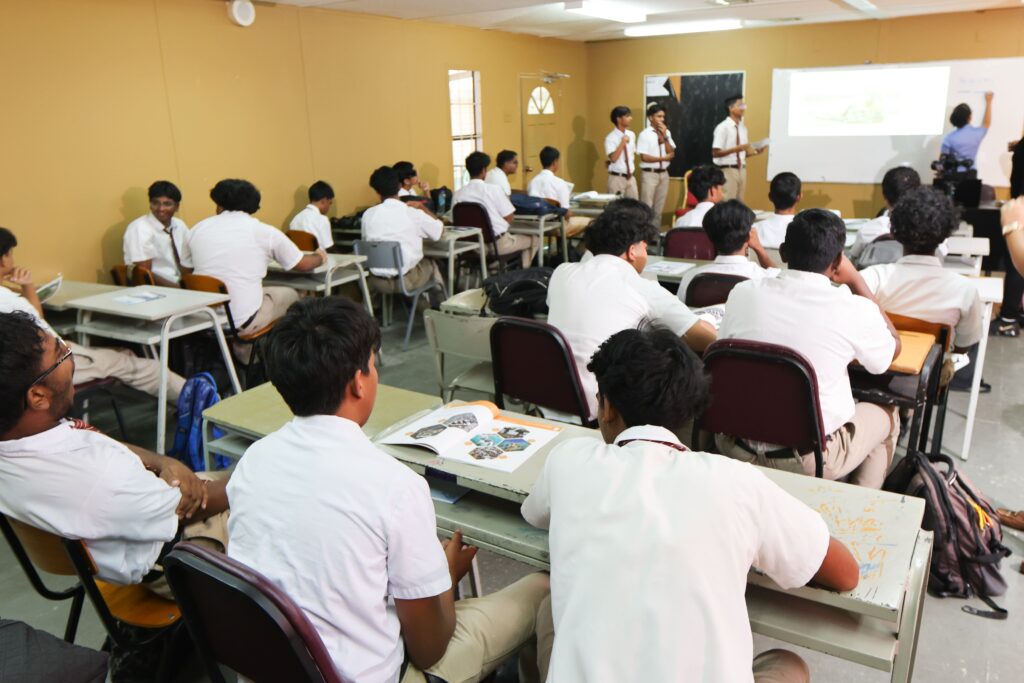
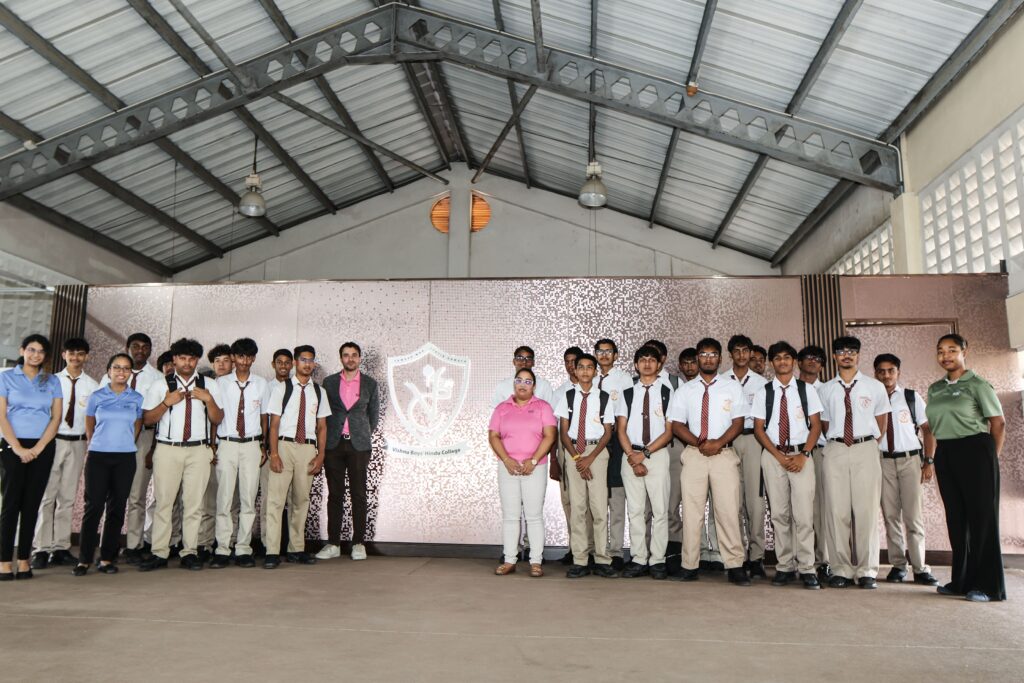
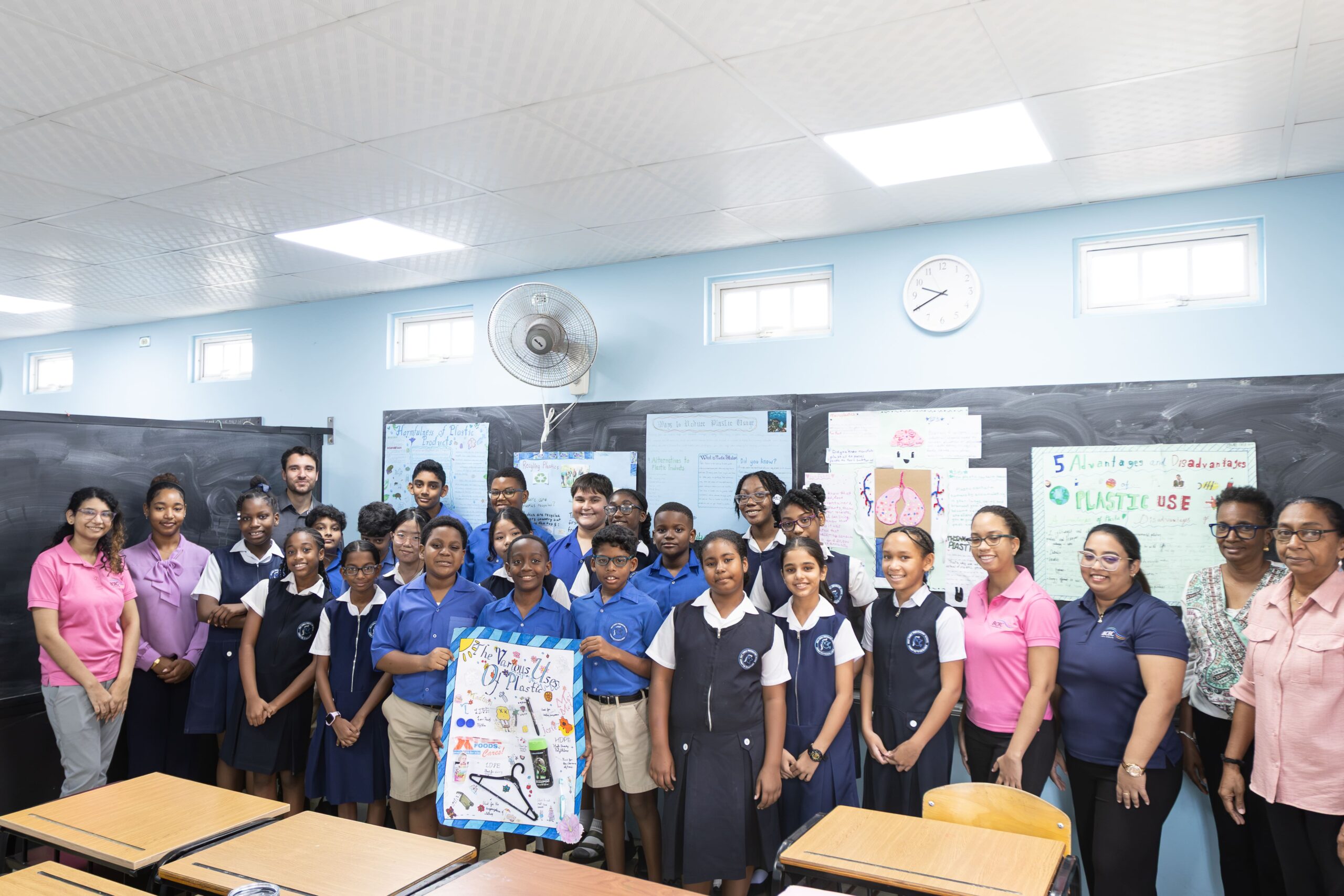
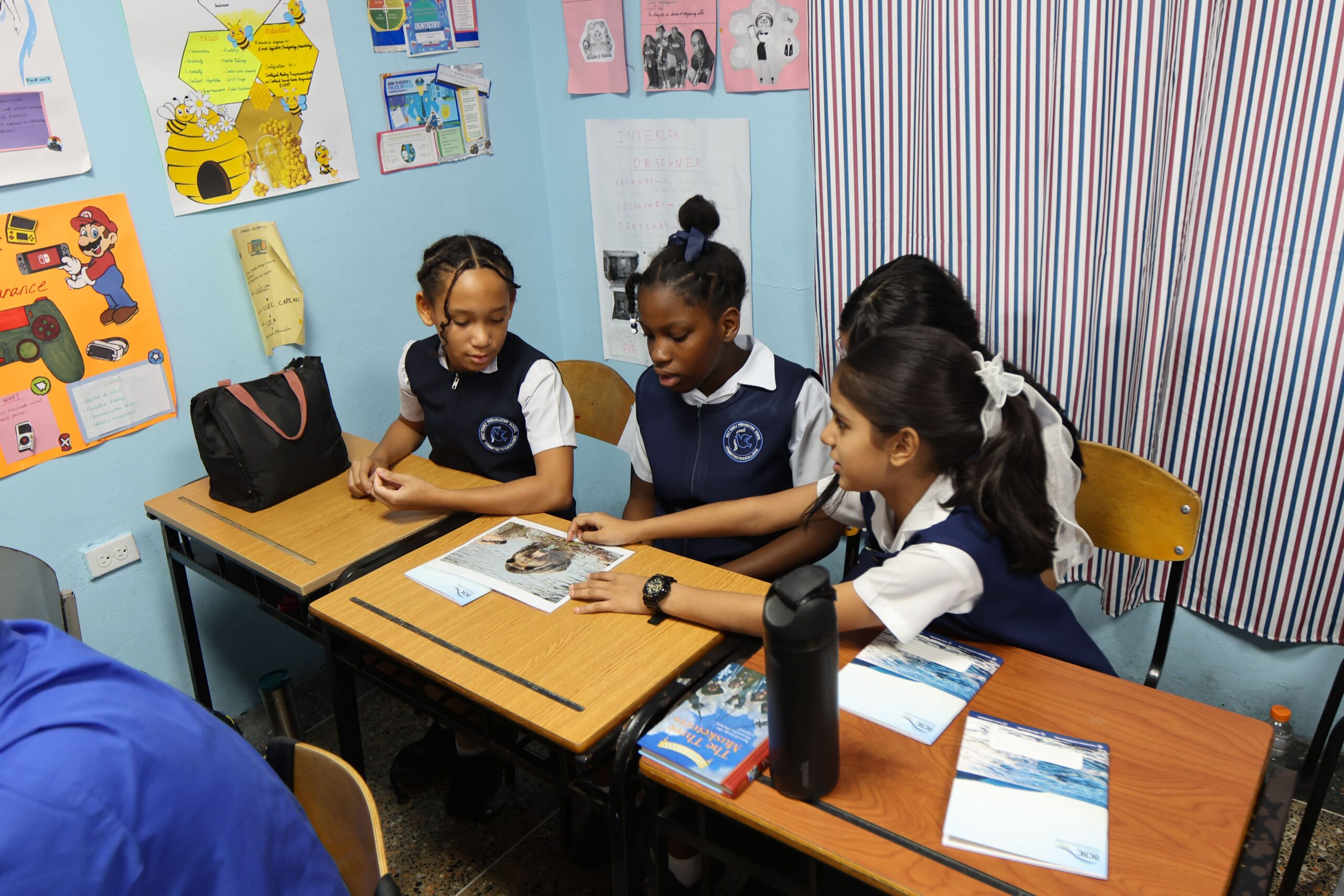
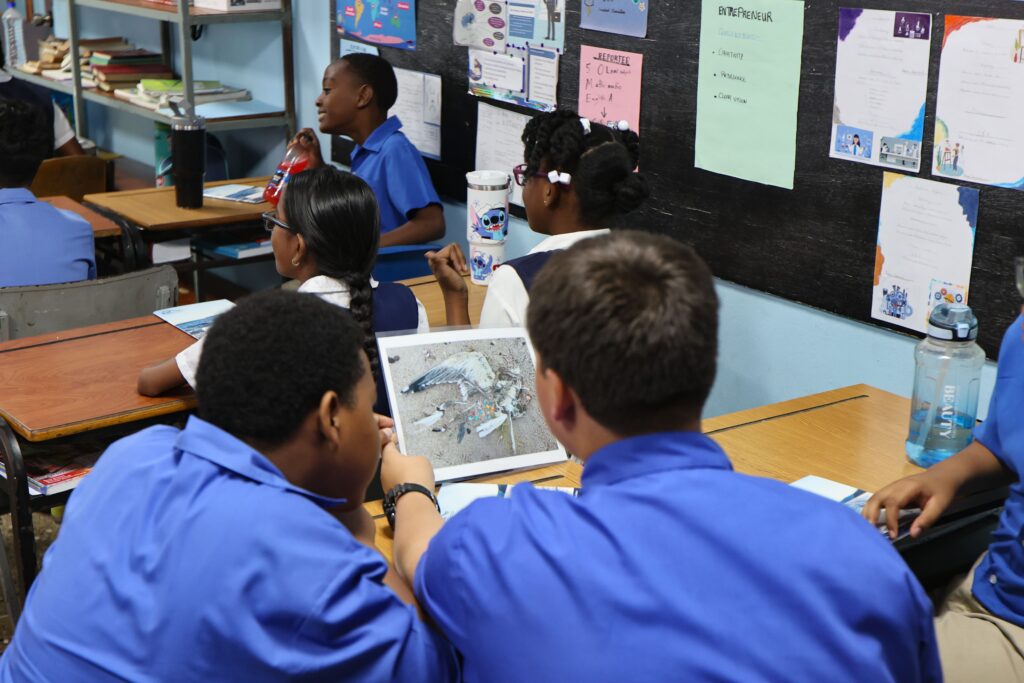
Between 19 and 22 May 2026, four pilot workshops were conducted at Holy Family Preparatory School, Vishnu Boys’ Hindu College, and The British Academy, engaging a total of 72 students from primary and secondary levels. The workshops tested selected components of the Plastic is Forever educational package through a combination of presentations, discussions, practical exercises, videos, quizzes, and group activities designed to increase awareness of plastic pollution and encourage sustainable waste management practices.
The pilot workshops aimed to evaluate the relevance, effectiveness, and usability of the educational materials while gathering feedback from students and teachers. Data was collected through pre- and post-Knowledge, Attitudes and Practices (KAP) surveys, classroom observations, and teacher interviews. The findings indicate that the materials are highly engaging, educationally effective, and suitable for classroom implementation across different age groups and learning environments.
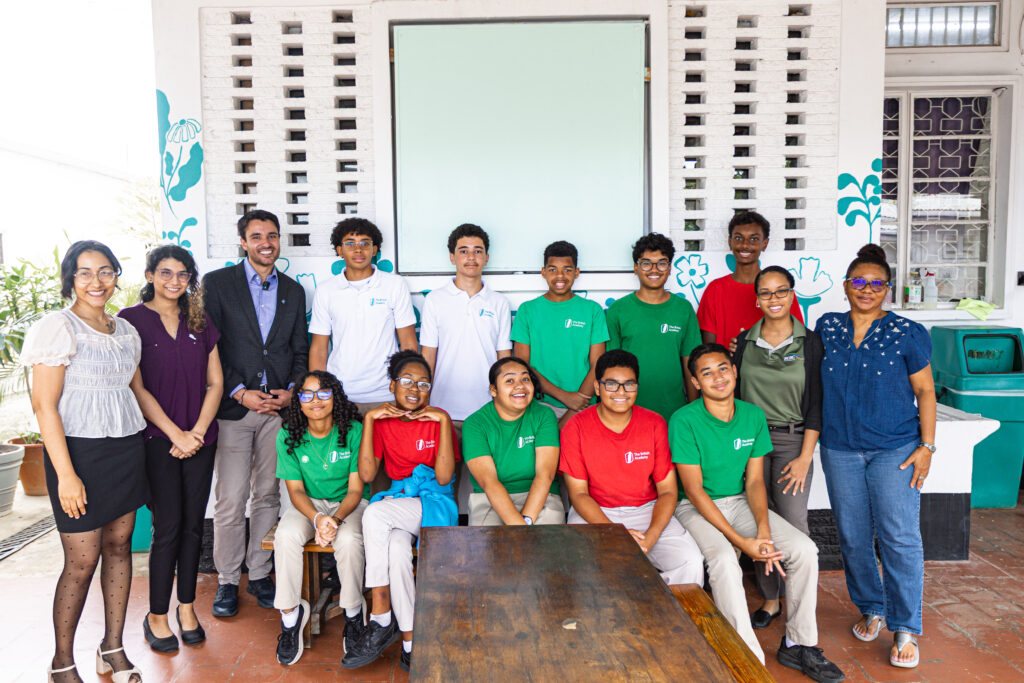
The British Academy, St. Clair, Port of Spain
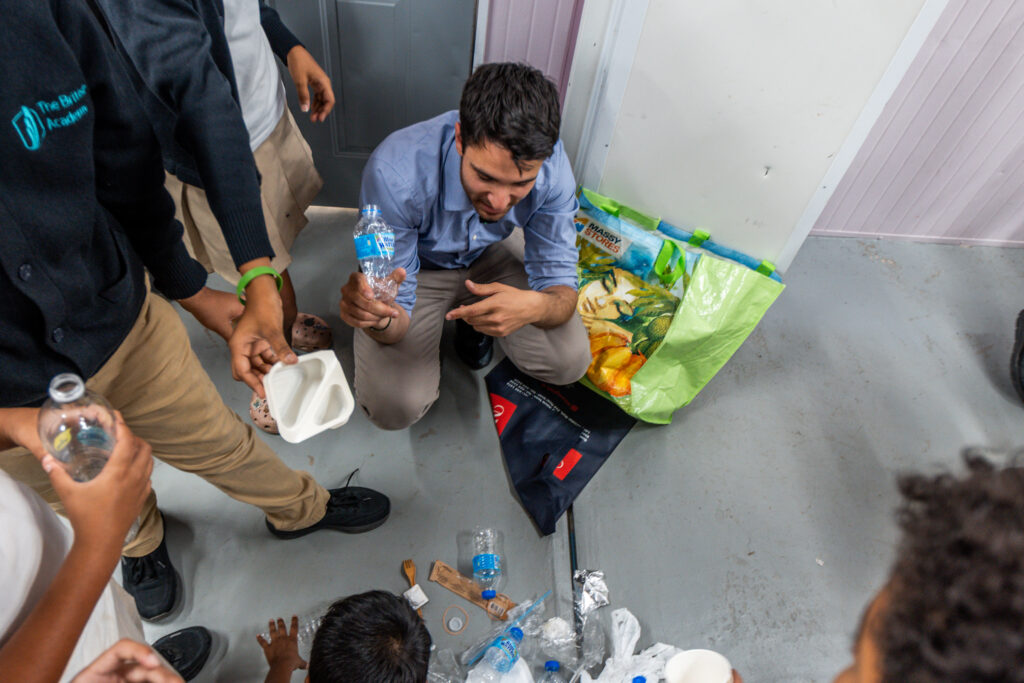
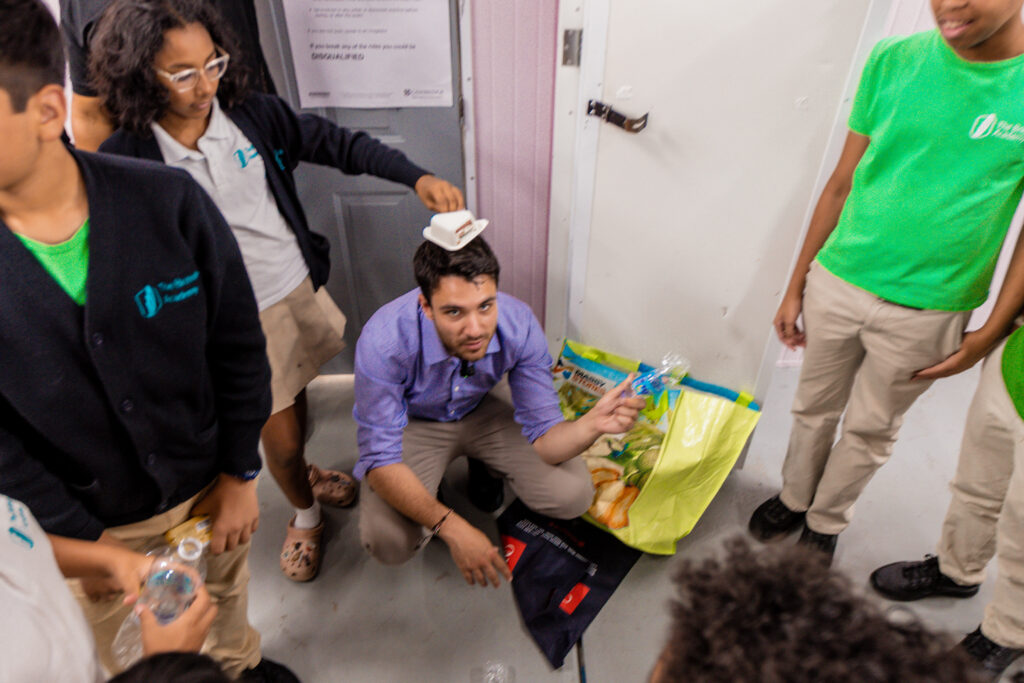
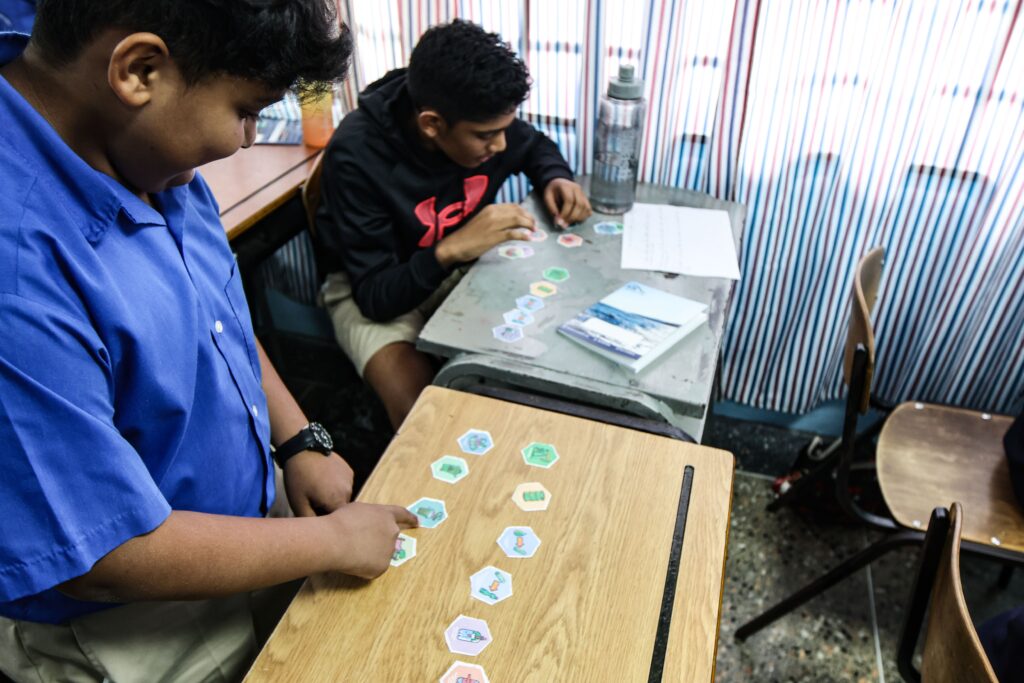
Throughout the workshops, students actively participated in discussions and collaborative exercises, with particularly strong engagement observed during interactive activities such as the Plastic Game Show, group presentations, and a newly introduced plastic classification exercise. These hands-on activities enabled students to strengthen their understanding of plastic pollution, recycling, waste management, and the environmental impacts of plastics while developing critical thinking and problem-solving skills.
Survey findings revealed that students entered the programme with a relatively strong baseline awareness of plastic pollution and its consequences. However, a gap existed between knowledge and action, particularly regarding recycling practices and waste reduction behaviours. Following participation in the workshops, students demonstrated stronger environmental attitudes, improved knowledge of microplastics and plastic waste management, and increased commitment to adopting sustainable behaviours. Many participants pledged to reduce single-use plastics, improve waste disposal practices, use reusable alternatives, and share environmental knowledge with their peers, families, and communities.
The pilot also highlighted several significant learning outcomes. Students successfully retained key messages related to plastic pollution, responsible consumption, and environmental stewardship. Participants demonstrated the ability to apply their knowledge during practical exercises and proposed solutions including community clean-ups, waste reduction initiatives, and creative reuse projects. Increased awareness of microplastics and their movement through ecosystems and food chains was also observed across participating schools.
Vishnu Boys' Hindu College, Southern Main Road, Chaguanas
Teacher feedback was overwhelmingly positive. Educators described the materials as relevant, engaging, adaptable, and supportive of existing curriculum objectives. Teachers noted that the workshops encouraged critical thinking and strengthened environmental education while providing valuable resources for classroom use. Suggestions for future improvements included incorporating more local examples, increasing opportunities for hands-on learning, simplifying some technical content, and further adapting certain activities for younger learners.
One of the most successful innovations introduced during the pilot was the plastic classification activity, which allowed students to identify different plastic types and understand their properties and recyclability. The activity generated exceptionally high levels of participation and has been identified as a strong candidate for formal inclusion in future versions of the educational package.
Building on the success of the pilot phase, BCRC-SCRC Caribbean will use the findings and recommendations from the evaluation process to refine and strengthen the educational materials. Future work will include updating the facilitator's guide, increasing local relevance, simplifying complex content where necessary, and engaging stakeholders in the final review process before wider implementation and dissemination.
Holy Family Preparatory School, Montrose, Chaguanas
The successful completion of the pilot demonstrates the potential of the Plastic Waste Education Initiative to support environmental education and encourage long-term behavioural change among young people in Trinidad and Tobago and beyond. Through interactive learning and practical engagement, the initiative is helping to empower the next generation to play an active role in addressing plastic pollution and promoting sustainable waste management practices.