
CHM

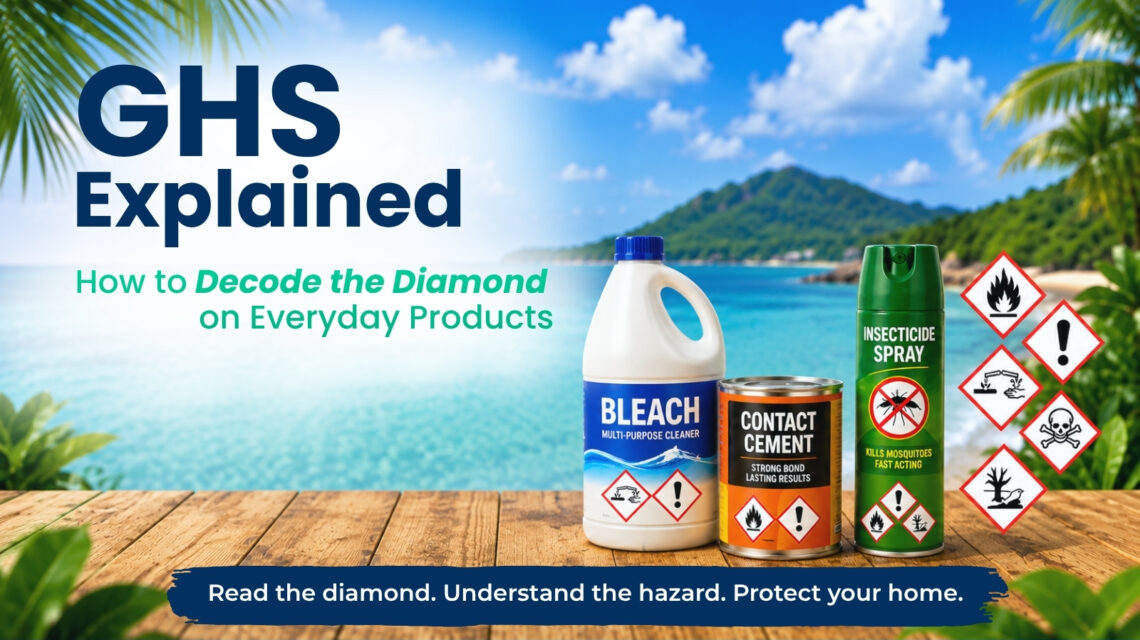
The red hazard diamonds found on products such as cleaners, adhesives and insect sprays are GHS hazard pictograms — part of a globally harmonised system for classifying and communicating chemical hazards.  Here’s how to decode them, understand the hazards and use the information on chemical labels to help keep yourself and your home safe.   

read more
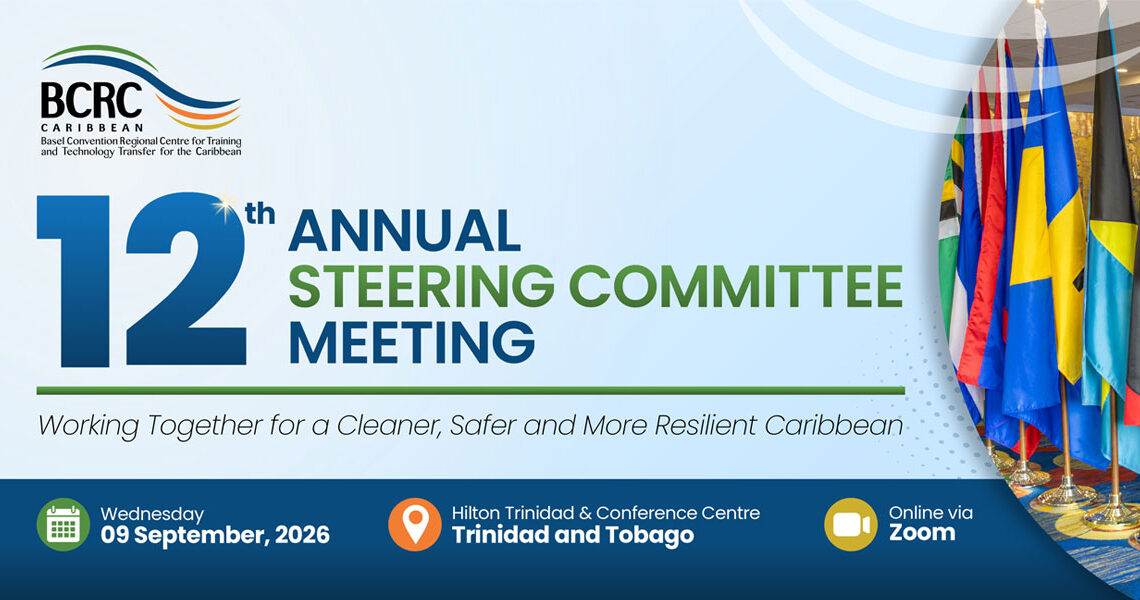
The Basel Convention Regional Centre for Training and Technology Transfer for the Caribbean (BCRC-Caribbean) convened its 12th Annual Steering Committee Meeting on Wednesday, 9 September 2026 at the Hilton Trinidad and Conference Centre. The BCRC-Caribbean team participated in person, while national focal points from the fifteen (15) Caribbean Parties to the Basel Convention joined virtually.

read more

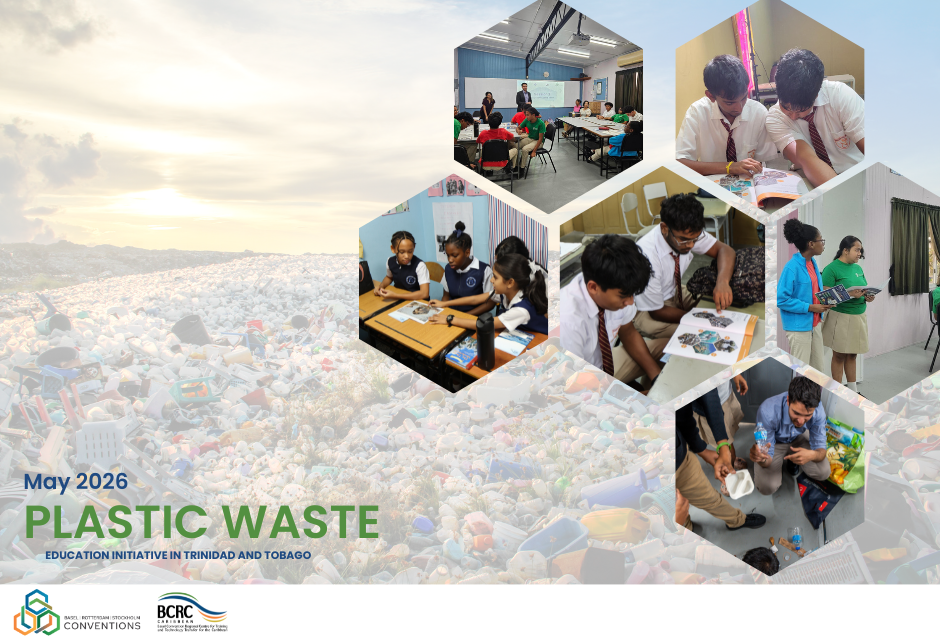
The Basel and Stockholm Conventions Regional Centre for the Caribbean (BCRC-SCRC Caribbean), in collaboration with the United Nations Environment Programme (UNEP), the Secretariat of the Basel, Rotterdam and Stockholm Conventions (BRS Secretariat), and with funding from the Norwegian Agency for Development Cooperation (Norad), has successfully completed the pilot testing of its Plastic Waste Education Initiative

read more

Review and Update of the National Implementation Plan under the Stockholm Convention for Guyana This project facilitated the implementation of the Stockholm Convention in Guyana through the review, update, and transmission of Guyana’s National Implementation Plan (NIP) to the Stockholm Convention Secretariat. Capacity Building Related to Multilateral Environmental Agreements in the African, Caribbean and Pacific

read more

The Stockholm Convention is a multilateral environmental agreement (MEA) that aims to protect human health and the environment from persistent organic pollutants (POPs). POPs are chemicals that remain in the environment for long periods, accumulate in living organisms, travel long distances and have harmful effects on human health and the environment. When the Convention was

read more

Although the Basel Convention was adopted in 1989, it could not fully anticipate the evolving global landscape of hazardous waste generation, trade, and technology. As waste streams have changed over the years, several amendments have been made to the Convention. These amendments have allowed Parties to adapt to new environmental priorities, keep up with scientific

read more

Tackling the illegal transboundary movements of hazardous waste, also known as illegal traffic, is essential to effectively confront the global waste challenge. The Basel Convention’s provision on illegal traffic is a cornerstone of global efforts to curb the dumping of hazardous waste. By defining certain transboundary waste shipments as illegal traffic, it establishes a robust

read more

The Global Programme ‘Implementing Sustainable Low and Non-Chemical Development in Small Island Developing States (ISLANDS) funded by the Global Environment Facility GEF) seeks to address the sound management of chemicals and waste in Least Developed Countries (LDCs) in SIDS. This ISLANDS programme covers four 4) geographical regions including the Caribbean, Indian Ocean, Pacific Islands, Atlantic Ocean islands, and is being implemented by

read more

Digital Learning Hub Officially Launched under GEF ISLANDS 10279 & 10472 The Basel Convention Regional Centre for Training and Technology Transfer for the Caribbean (BCRC–Caribbean) has officially launched its Digital Learning Hub on October 21 2025, marking an important milestone in expanding access to environmental training and knowledge transfer across the region. This platform was

read more