
Under the “Identifying Feasible Strategies for the Environmentally Sound Disposal of Spent Lighting Products in the Caribbean” Project in Saint Kitts and Nevis, Saint Lucia, Suriname and Trinidad and Tobago, the BCRC-Caribbean developed an informational poster to raise awareness on the project and its outcomes.
read moreUnder the “National Action Plan for Artisanal and Small-Scale Gold Mining in Guyana” (Guyana NAP) Project, the BCRC-Caribbean developed an informational flyer to raise awareness on the project.
read moreThe Global Programme, Implementing Sustainable Low and Non-Chemical Development in Small Island Developing States (ISLANDS), was approved by the Global Environment Facility (GEF) Council on 13 June 2019 for five (5) child projects in 27 countries from the Caribbean, Indian Ocean and Pacific Regions (GEF #10185). A sixth (6th) child project was approved in December
read more
Through its projects, the BCRC-Caribbean has developed communications material to raise awareness on the sources of mercury and its dangers to human health and the environment. Developed material include videos, flyers and posters. To see material developed under the Minamata Initial Assessment in Jamaica, Saint Kitts and Nevis, Saint Lucia and Trinidad and Tobago
read moreUnder the Minamata Initial Assessment in Antigua and Barbuda, Dominica, Grenada and Saint Vincent and the Grenadines, the BCRC-Caribbean developed videos, and flyers to raise awareness on the sources of mercury in these countries and its dangers to human health and the environment.
read moreUnder the Minamata Initial Assessment in Jamaica, Saint Kitts and Nevis, Saint Lucia and Trinidad and Tobago, the BCRC-Caribbean developed videos, posters and brochures to raise awareness on the sources of mercury in these countries and its dangers to human health and the environment. These were presented to national stakeholders and students through a series
read more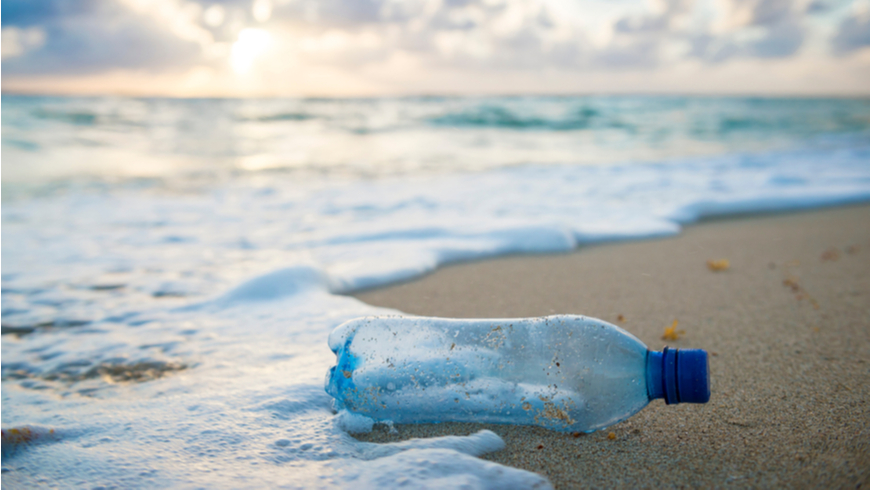
The BCRC-Caribbean supports its 14 member countries and other Caribbean Nations that request its assistance with fulfilling their obligations to the chemicals and waste management cluster of global multilateral agreements. This support is provided through execution of projects, organisation of awareness raising meetings and training workshops, dissemination of information and transfer of technology. GEF ISLANDS
read more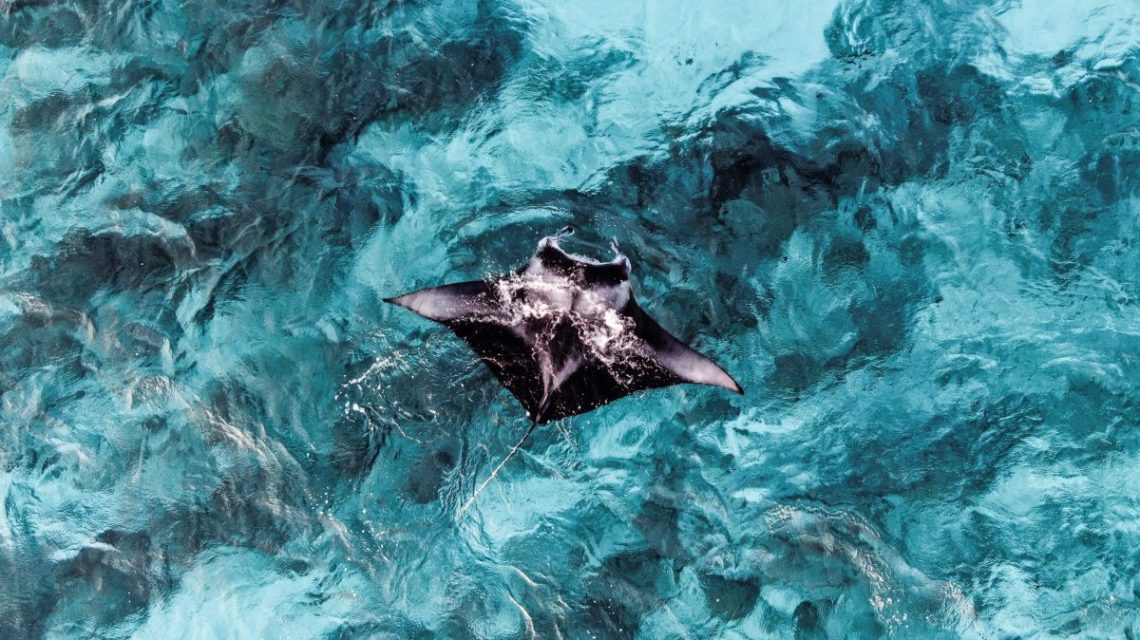
Small Island Developing States (SIDS) experience unique challenges with managing chemicals and waste due to their limited land mass, high population densities, limited resources, unique biodiversity, high risk of exposure to natural hazards and disasters, vulnerability to the effects of climate change, remoteness from global markets and small economies of scale. Most SIDS are primarily
read more
Persistent Organic Pollutants (POPs) are a group of toxic organic chemicals commonly found in some household products and chemicals, industrial chemicals and waste disposal sites and which have negative effects on human health and long-term wellness and the environment. Once released into the environment, these chemicals remain intact for long periods of time and become
read more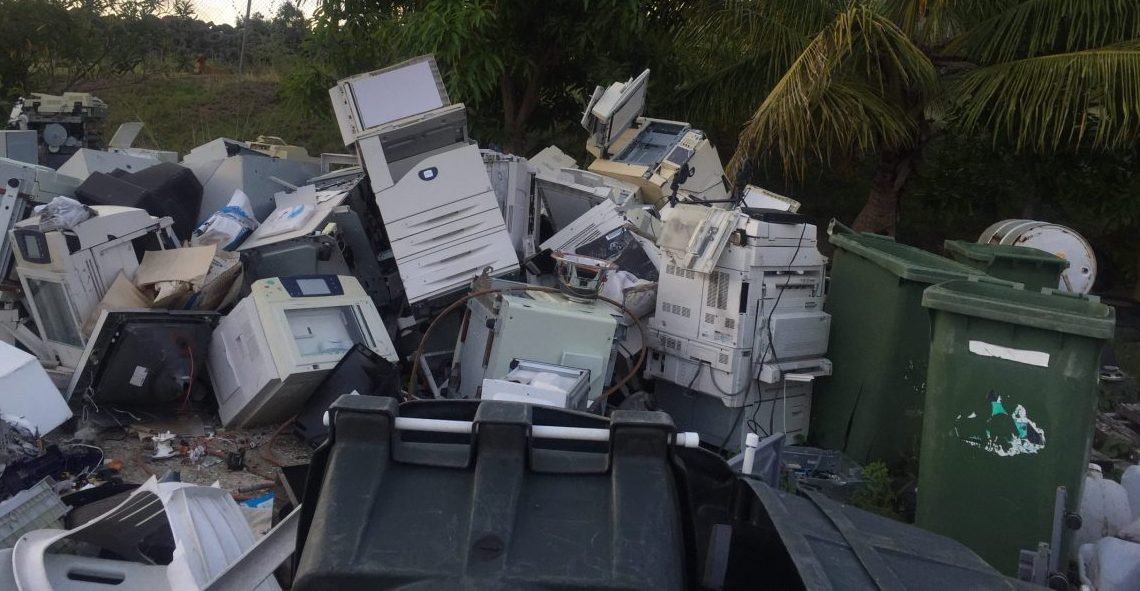
E-waste or Waste Electrical and Electronic Equipment (WEEE) refers to discarded components, assemblies and consumable items that rely on an electrical current for use. These include end-of-life small and large household appliances, IT and telecommunications equipment, consumer, lighting, leisure and sports equipment, electrical and electronic tools, toys, medical devices, monitoring and control instruments and automatic
read more