
Regional

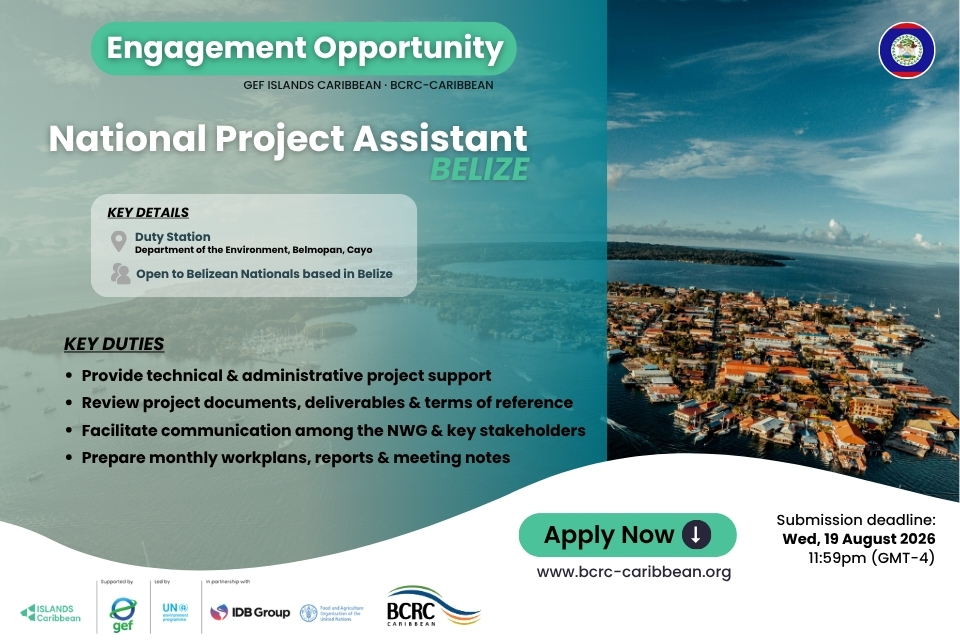
The BCRC-Caribbean is seeking to recruit a suitably qualified and experienced individual to work with us as a National Project Assistant (NPA) in Belize, to support the National Working Group (NWG) and Project Focal Points of Belize with the national execution of the GEF ISLANDS 10279 Project and related ISLANDS Programme activities (including the GEF 10258, 10266 and

read more

The Implementing Sustainable Low and Non-Chemical Development in Small Island Developing States (ISLANDS) Programme seeks to address the sound management of chemicals and waste in Least Developed Countries (LDCs) and Small Island Developing States (SIDS). This ISLANDS Programme covers four (4) geographical regions including the Caribbean, Indian Ocean, Pacific Ocean, and Atlantic Ocean, and is being funded by the

read more

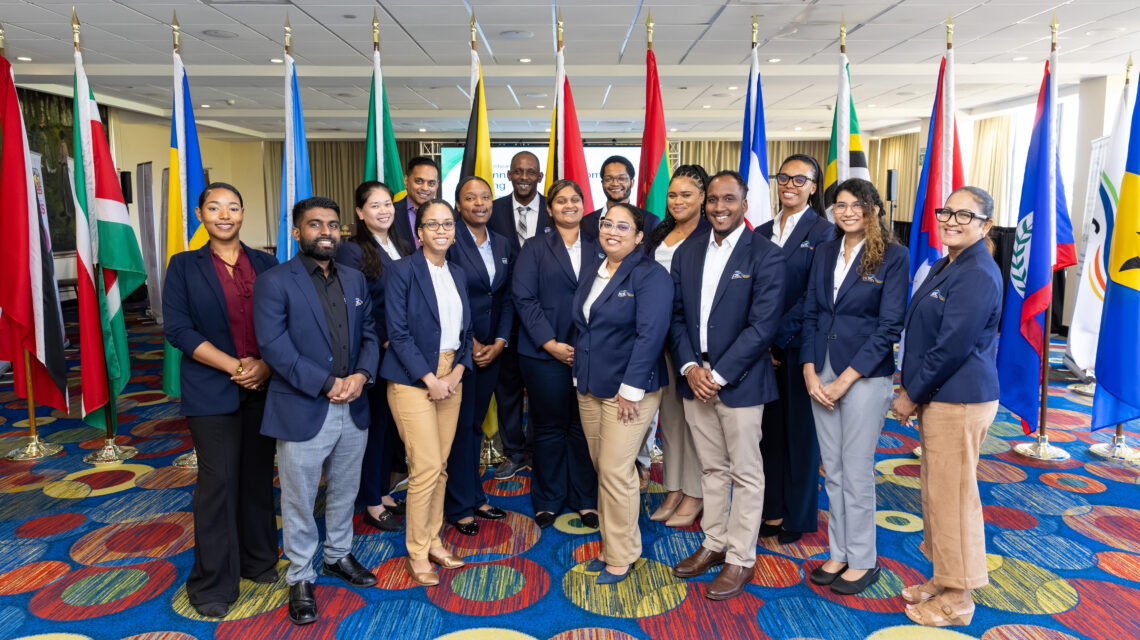
The Basel Convention – Stockholm Convention Regional Centre for the Caribbean (BCRC-SCRC Caribbean) successfully hosted its 11th Annual Steering Committee Meeting on Wednesday January 28, 2026. The Steering Committee is a vital governance body comprised of national focal points from fifteen (15) Contracting Caribbean Parties to the Basel Convention. This meeting sought to: Provide strategic

read more

The Stockholm Convention is a multilateral environmental agreement (MEA) that aims to protect human health and the environment from persistent organic pollutants (POPs). POPs are chemicals that remain in the environment for long periods, accumulate in living organisms, travel long distances and have harmful effects on human health and the environment. When the Convention was

read more

As per Article 21 of the Minamata Convention on Mercury, Parties are obligated to report to the Conference of the Parties on measures taken for the implementation of the Convention, along with their effectiveness and any challenges they may have faced. Parties are required to report using the full format every four (4) years while

read more

In order to monitor the implementation of the Basel Convention by its Parties, national reporting on an annual basis is required. This also allows for the identification of any issues that may need to be addressed. To learn more about national reporting, please download our factsheet.

read more

Although the Basel Convention was adopted in 1989, it could not fully anticipate the evolving global landscape of hazardous waste generation, trade, and technology. As waste streams have changed over the years, several amendments have been made to the Convention. These amendments have allowed Parties to adapt to new environmental priorities, keep up with scientific

read more

Tackling the illegal transboundary movements of hazardous waste, also known as illegal traffic, is essential to effectively confront the global waste challenge. The Basel Convention’s provision on illegal traffic is a cornerstone of global efforts to curb the dumping of hazardous waste. By defining certain transboundary waste shipments as illegal traffic, it establishes a robust

read more

Waste Oil is defined as any synthetic or petroleum-based oil that is contaminated to degraded due to wear and thus cannot be utilized for its original purpose. These oils can perform a variety of functions in multiple fields such as energy generation, lubrication, cooking and hydraulics. Due to the multitude of sources for waste oil

read more

Scrap Metal is a significant waste stream present in the Caribbean Region. Due to the limited land space and recyclable nature of most metals, it is vital that this waste stream be managed properly to ensure sustainable waste management practices within the region. Scrap metals that have the following properties will fall under the Basel

read more